Pool water loss: spotting a plumbing leak versus simple evaporation
Every pool loses water. Under the Southern California sun, evaporation alone can drop the water level by a quarter-inch or more each day. So when you notice the level falling faster than usual, it is natural to wonder whether the cause is the dry air and heat or something hidden in the plumbing. The difference matters: an evaporation loss is normal and temporary, while a leak in the pipes can waste water, raise your bill, and eventually damage the pool structure or the surrounding ground. Learning to tell the two apart is the core skill in swimming pool leak testing, and it starts with a few simple observations.
Evaporation: the usual suspect
Evaporation is a constant companion for any pool owner. Warm air, low humidity, and wind all speed it up. Even a well-maintained pool will lose water to the sky. The rate depends on the season, the weather, and how much the pool is used. In summer, a pool can lose half an inch or more in a week just from evaporation. That is normal and nothing to worry about. The water that evaporates leaves behind the chemicals, so the pool stays balanced. You just top it off and carry on.
The problem is that evaporation can mask a real leak or, the other way around, make a normal loss look suspicious. The trick is to know what to look for and how to test without calling anyone. A simple bucket test can give you a clear answer in a day or two.
The bucket test: a home check
The bucket test is the standard first step in swimming pool leak testing. It is easy to do and requires no tools. Fill a five-gallon bucket about three-quarters full with pool water. Place it on the top step of the pool or set it on a shelf in the water so that the water level inside the bucket matches the pool water level. Mark the water line inside the bucket with a piece of tape or a waterproof marker. Also mark the pool water level on the side of the skimmer or on a tile. Then run the pool pump as usual for 24 to 48 hours. After that time, compare the two water levels. If the pool level dropped more than the bucket level, the extra loss is likely from a leak. If they dropped by the same amount, the loss was evaporation. The bucket is a control: it loses water only to evaporation, so any difference points to water leaving the pool through a crack or a plumbing line.
This test is reliable in calm weather. If heavy rain or strong wind happens during the test, the results can be misleading. In that case, wait for a few days of stable conditions and try again.
Signs that point to a plumbing leak
A bucket test tells you whether you have a leak, but it does not tell you where. To narrow it down, watch for these clues. They are the signs that water loss is coming from plumbing instead of evaporation.
Water loss that never slows down
Evaporation slows when the water level drops below the skimmer or when the pump is off. A plumbing leak does not care about the pump. Water continues to escape at the same rate until the level falls below the leak point. If you notice the water level dropping steadily even when the pump is off and the weather is mild, that is a strong indication of a leak in the return lines or the main drain. A leak in the suction side can also pull air into the pump, which makes the pump lose prime and run dry. That can damage the pump and waste energy.
Bubbles in the return lines
When you look at the return jets, you should see a steady flow of water. If you see air bubbles mixed in, that usually means air is being sucked into the plumbing on the suction side. A small amount of air can come from a loose pump lid or a worn gasket. More than a little air, or bubbles that keep coming after the pump has run for a few minutes, suggests a leak in the underground pipe. The air is being pulled in through the same crack that lets water out when the pump is off. This is a classic sign of a leak in the plumbing lines, not evaporation.

Wet spots or sinking in the yard
Pools lose water to the ground around them. If the leak is in the plumbing outside the pool shell, that water has to go somewhere. Look for persistently wet areas in the yard, soft ground near the equipment pad, or even a patch of grass that stays green during a dry spell. In severe cases, the soil can wash away and cause the ground to sink, creating a depression near the pool or the pipe trench. This kind of damage is rare with evaporation but common with an underground plumbing leak.
High water bills
A slow plumbing leak can add hundreds of gallons of water loss each week. That extra water shows up on the water bill. If your bill jumps up in a month when you did not fill the pool more than usual, the leak is likely in the plumbing. Evaporation does not increase your bill because you are not running the water to replace it. The meter only runs when you turn on the hose. A leak, on the other hand, runs up the bill even if you never touch the fill valve.
What to do next
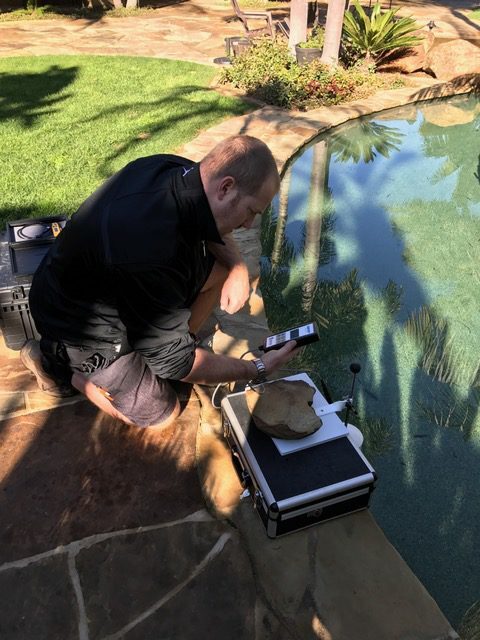
If the signs point to a plumbing leak, the next step is professional detection. Trying to locate an underground leak yourself can lead to unnecessary digging or damage. A trained technician uses pressure testing, sonar, or dye testing to find the exact spot without guesswork. For pool owners in San Diego, Swim Care Pool Services provides specialized leak detection for residential and commercial swimming pools, spas, and related plumbing. Their work focuses on finding the source of the leak so that repairs can be precise and minimal.
The goal of swimming pool leak testing is to separate normal water loss from a problem that needs fixing. Once you know you have a leak, you can decide whether to repair it yourself if it is a simple fitting above ground or to call a professional for underground work. Either way, the first step is observation. Watch the water level, do a bucket test, and look for the signs described here. That knowledge saves you from ignoring a small leak that could become a big one, and it saves you from paying for a service call when all you need is a top-up.

Regular monitoring of your pool water level is a good habit. Once a week, check the level against the skimmer and note any change. If you see a sudden drop, you will have a baseline to compare against. That simple habit is the foundation of swimming pool leak testing. It gives you the confidence to know when the water loss is normal and when it is time to act. For those cases where the leak is confirmed, professional services like those offered by Swim Care Pool Services can make the repair process straightforward and efficient.